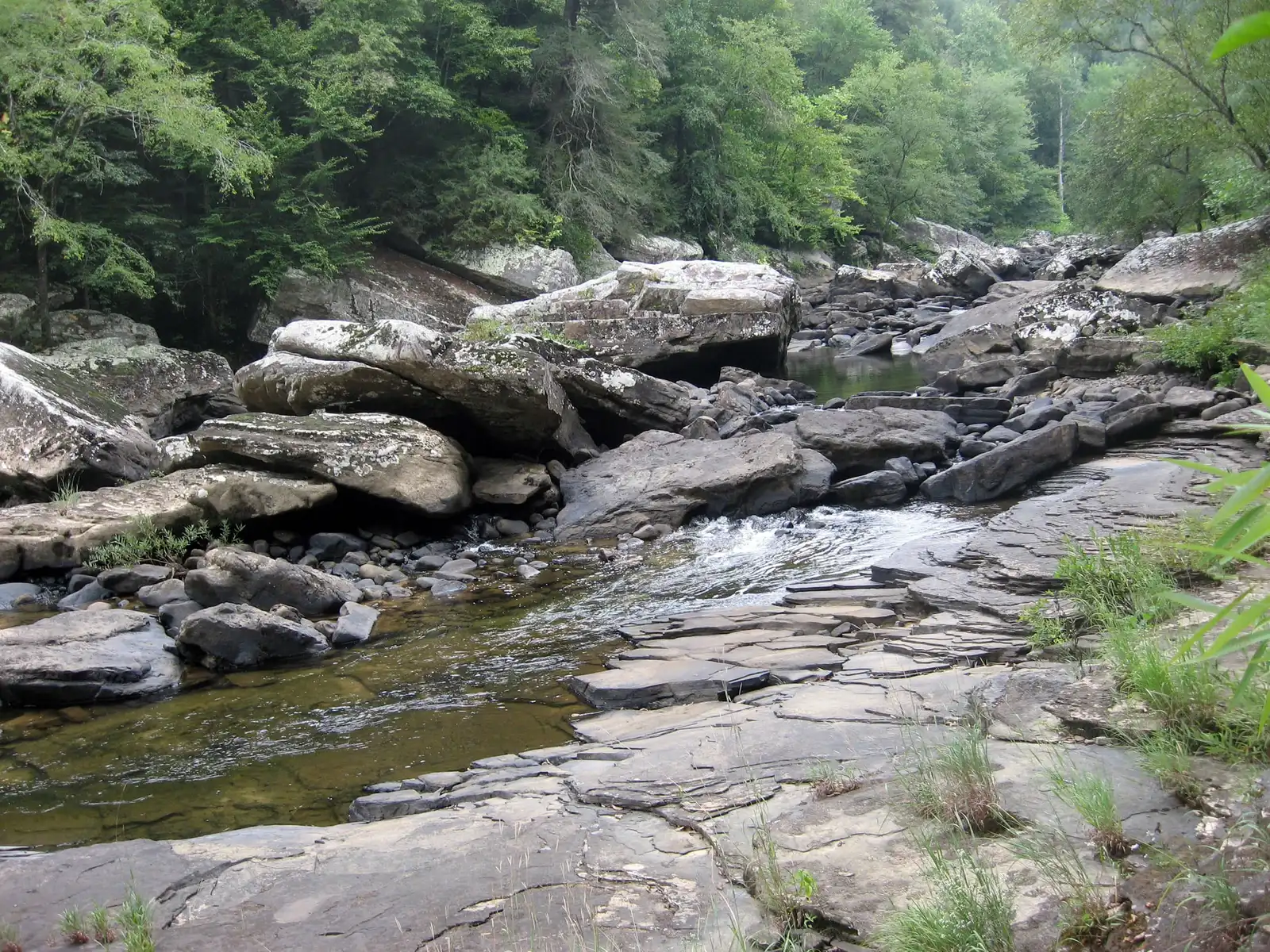
82,000 acres · Cumberland Plateau · Tennessee
Eighty-two thousand acres of second-chance country.
Logged flat, strip-mined, and left for dead. Tennessee started buying it back in 1949. It is now one of the best public hunts in the state — if you can read the calendar.
Right now at Catoosa
As of · Central
- General accessOpenOpen, except during scheduled big game hunts — those close the whole area to everyone but legal participants.
- HuntingOpenOpen on the posted season dates. Nothing is open outside a listed season.
- OHV, bike & horseOpenIn season. Requires a hunting and fishing license plus a WMA permit, or a High Impact Habitat Conservation Permit. Enter only through gated TWRA access points.
- Cumberland TrailOpenCorridor users are an exception even during the winter closure. During all deer, turkey and hog control hunts you must wear blaze orange or pink and stay within 100 feet of the trail.
Computed from the standing access rules. Big game hunt dates are set every year and close the whole area — check the season calendar before you drive out.
Start here
Sections of this guide
- 12 listed seasons · 2026–27SeasonsEvery hunt date, bag limit and quota on the area, plus the standing rules on weapons, guides, camping and the two ranges.
- 3 entrances · 2 check stationsMapsTWRA's interactive map, the main gated entrances, and pinned locations for Devil's Breakfast Table, the Pilot Knob tower and both checking stations.
- OHV: 4th Sat Aug – 2nd Sun JunTravel & accessWhat you may ride, when, and which gates you may enter through. Includes the Cumberland Trail corridor rules.
- Nearest town: CrossvillePlan a huntWhere to sleep, what to pack for the plateau, how the check-in actually works, and where your phone stops working.
- Deer · turkey · hog · small gameGameWhat lives here and how it is hunted, one page per species, including the hog control season and its brucellosis warning.
- Acquired 1949HistoryLogged flat, strip-mined, then bought back and replanted. How Catoosa became a model for land reclamation in Tennessee.
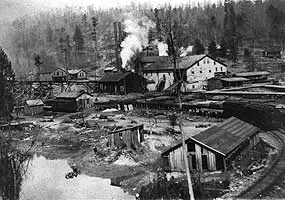
1949 · Tennessee Game & Fish Commission
The land was written off before it was worth anything.
Railroads and logging roads crossed this plateau before the state ever owned it, and the coal that came out of it left scars you can still walk into. By the middle of the century the ground was spent. What happened next — decades of replanting, closed roads and managed habitat — is the reason there is anything here to hunt.