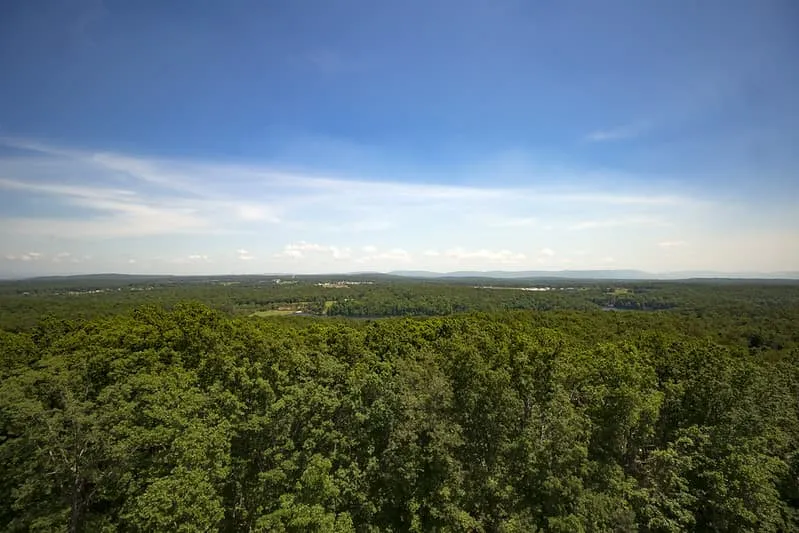
Acquired 1949 · 82,000 acres
A history of Catoosa
This is not old-growth wilderness that was set aside. It is industrial ground that was bought back and grown over.
Catoosa Wildlife Management Area spans more than 82,000 acres on Tennessee's Cumberland Plateau. Long before European settlement, the region was home to indigenous peoples for thousands of years, and artifacts and rock shelters across the area still record that habitation.
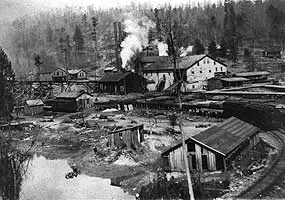
Through the 19th and early 20th centuries the land was logged extensively, and the coal industry left its own mark on the landscape. Railroads and logging roads crossed the plateau, and some of those grades are still walkable today.
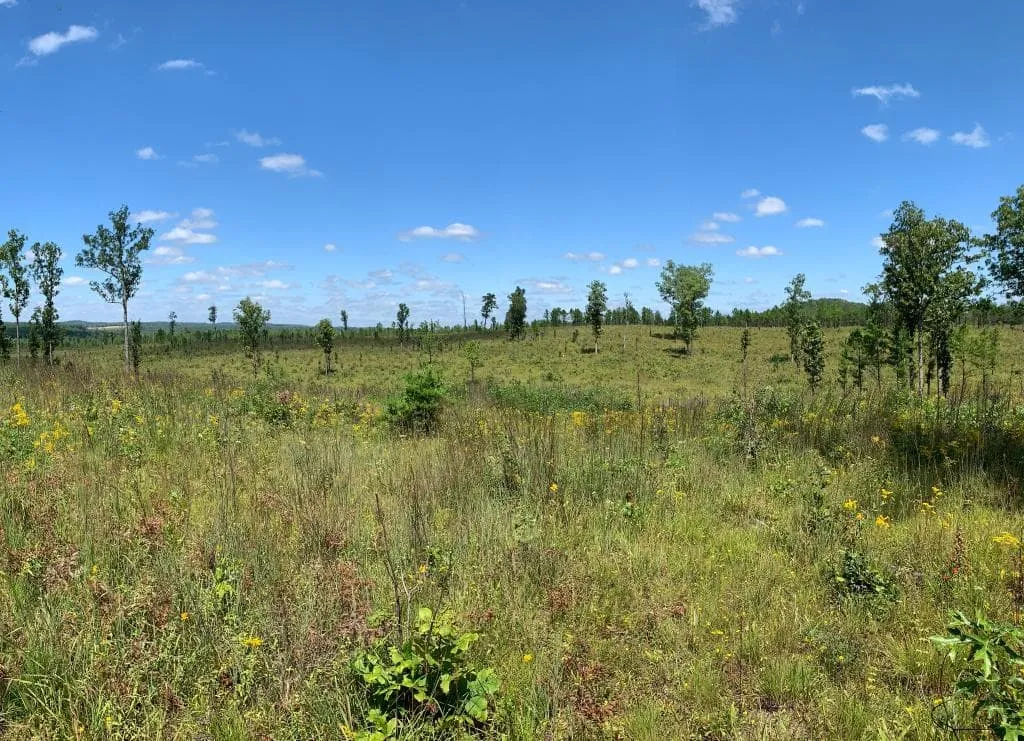
By the middle of the 20th century, deforestation and mining had left much of the land degraded. Recognizing what it could become, the Tennessee Game and Fish Commission — now TWRA — began acquiring parcels in 1949. Catoosa became one of the first large-scale efforts in the state to restore wildlife habitat and establish public hunting ground.
Reforestation and habitat restoration began in earnest, and over the decades Catoosa turned into a model for land reclamation and multi-use public land. The area now supports deer, turkey, black bear and a range of small game.
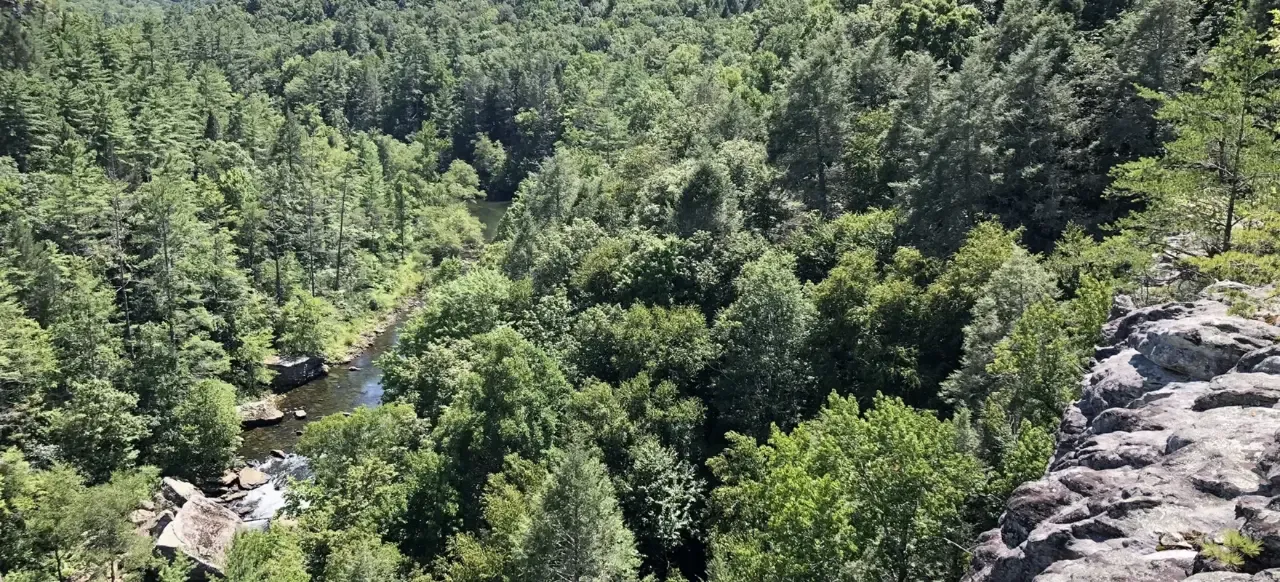
Today Catoosa is managed for wildlife conservation, hunting, fishing and outdoor recreation. Its size and its rugged terrain still offer real solitude, and it remains an ecological and historical resource for Tennessee well beyond what happens here in hunting season.